

News
KCH moves forward on supplemental wastewater treatment facility
KCH moves forward on supplemental wastewater treatment facility
By LAURA RUMINSKI West Hawaii Today | Friday, June 9, 2023, 12:05 a.m.
https://www.hawaiitribune-herald.com/2023/06/09/hawaii-news/kch-moves-forward-on-supplemental-wastewater-treatment-facility/
Kona Community Hospital is one step closer to constructing a wastewater treatment system.
In a letter to the Office of Planning and Sustainable Development Environmental Review Program,Clayton Mcghan, KCH CEO said the Draft Environmental Assessment (DEA) assesses the potential effects of constructing and operating the proposed project.
“Kona Community Hospital, as the proposing and approving agency, anticipates that the proposed action is not likely to have a significant effect and therefore is issuing a notice of an Anticipated Finding of No Significant Impact, subject to the public review provisions of HAR Section 11-200.1-20,” the letter states.
According to the DEA, KCH is proposing a redundant wastewater treatment system with a capacity of 50,000 gallons-per-day (gpd) to supplement its existing 50,000-gpd system, which requires a shutdown to perform critical repair and maintenance. Because hospital operations must not be disrupted, KCH will divert the wastewater flow to the redundant system while the existing system is offline, and whenever future maintenance is needed.
The project will be timed to minimize effects to medical facility operations, personnel and patients. The project would not adversely affect surface water or groundwater. No valuable natural or cultural resource would be committed or lost at the quarter-acre grassed/paved project site through construction and use of additional wastewater treatment system facilities at the hospital.
KCH has determined that its wastewater treatment system (WWTS) requires a shutdown to perform critical repair and maintenance in order to continue effective operation. The hospital was built in 1975 and after many renovations is now a full service hospital with services including acute inpatient medical/surgical, obstetrics, skilled nursing, intensive care, and outpatient surgery.
The project would build a second, redundant WWTS with a capacity of 50,000 gpd. Once the redundant system is fully operational, repairs to the existing system can be conducted.
A nearby seepage pit area previously permitted for emergency use will be used for the absorption process during the brief time required for the diversion of the influent to the new system. After that, the systems will be capable of being operated alternately. Current demand can be filled with just one system operational at a time, and there are no immediate significant expansion plans at KCH that would generate substantially more wastewater.
The entire construction area will be less than a quarter-acre.
Kona Community Hospital at risk of closure due to outdated utilities
Kona Community Hospital at risk of closure due to outdated utilities
April 2, 2023 · 5:00 AM HST
* Updated April 2, 2023 · 6:18 AM

An operating room at Kona Community Hospital was a chilly 67.7 degrees early Friday morning, perfect conditions for performing surgeries.
However, as summer approaches, Dylan Palazzo, Director of Surgical Services, said temperatures in the sterile environment will spike. Warmer days, machines running hot and body heat from people performing or assisting in the procedures can raise the temperature in their three operating rooms to upwards of 75 degrees with higher humidity — which raises the risk of bacteria growth.
These conditions, at times, have led hospital staff to have to close operating rooms until they cool down to continue with procedures.
“We reach out to maintenance and they do what they can to get the temperature back in range, but sometimes we have to wait it out,” Palazzo said.
These spikes are due in part to Kona Community Hospital’s decades-old cooling and ventilating system. While they’ve never had to postpone a surgery because of spiking temperatures, Palazzo said it’s only a matter of time.
The nearly 50-year-old hospital — built in 1974 — runs the risk of closure every day due to outdated utilities. And if they do conk out, elective and trauma surgeries will end and the hospital runs the risk of losing its Level 3 Trauma Designation, which requires at least one operating room to always be available to provide emergency surgeries.
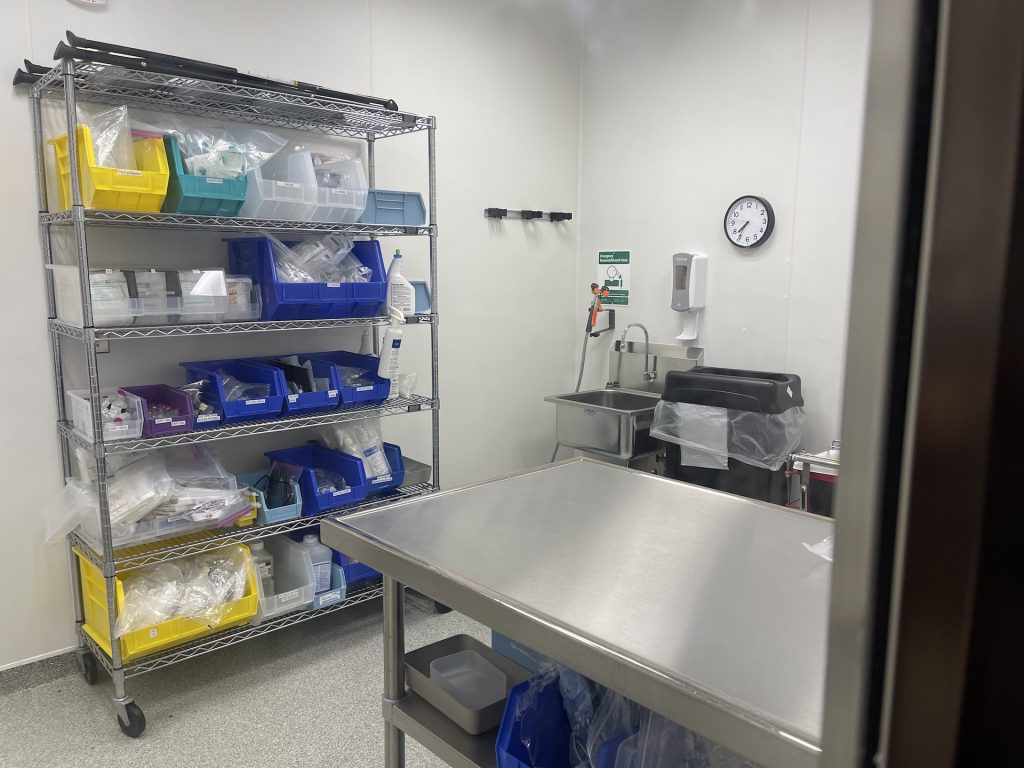
“It’s just like a homeowner. You don’t know when the water heater is gonna go out but when it does, you better have $10,000 to replace it,” said Diane Hale, the hospital’s chief nurse executive.
Hospital leaders have been attending 2023 State Legislature sessions to bring attention to their urgent needs and advocate for approximately $17 million over the next two years to address the cooling and ventilating system problems as well as install campus-wide lighting and security cameras. There also is a need to deal with waste-water treatment issues.
A significant portion of the funding would be used for an uninterruptible power source to minimize equipment damage from frequent brown-outs, which are partial, temporary reduction in system voltage.
“We’re making a lot of noise trying to get our story out there,” said Judy Donovan, Marketing & Strategic Planning Director for the hospital.
The hospital hopes to secure $4.9 million in 2024 to start on the infrastructure and cooling system upgrades. They hope to receive the remaining $11.3 million in 2025.
Clayton McGhan, West Hawaiʻi Regional CEO, said Kona Community Hospital started its efforts to get state funding in December by meeting with the Hawai‘i Island Delegation.
“We shared with them our challenges, and it was well received,” McGhan said.
McGhan attended Opening Day of the State Legislature in January and has been back to Honolulu on several occasions to discuss the hospital’s plight with lawmakers.
The last major renovation the hospital had was in 2020 when the three operating rooms were upgraded. In the early 1990s, the hospital built an additional building for same day surgeries, with a recovery room and Intensive Care Unit. The hospital also expanded its acute and long-term care to 75 beds.
In the early 2000s, a new administration services building was constructed across from the emergency department entrance, the Behavioral Health Services Unit opened and the new building for chemotherapy and outpatient services was also added onto the hospital. The air conditioning and utility systems have been upgraded and repaired piecemeal over the years. McGhan said a lot of the equipment remains outdated.
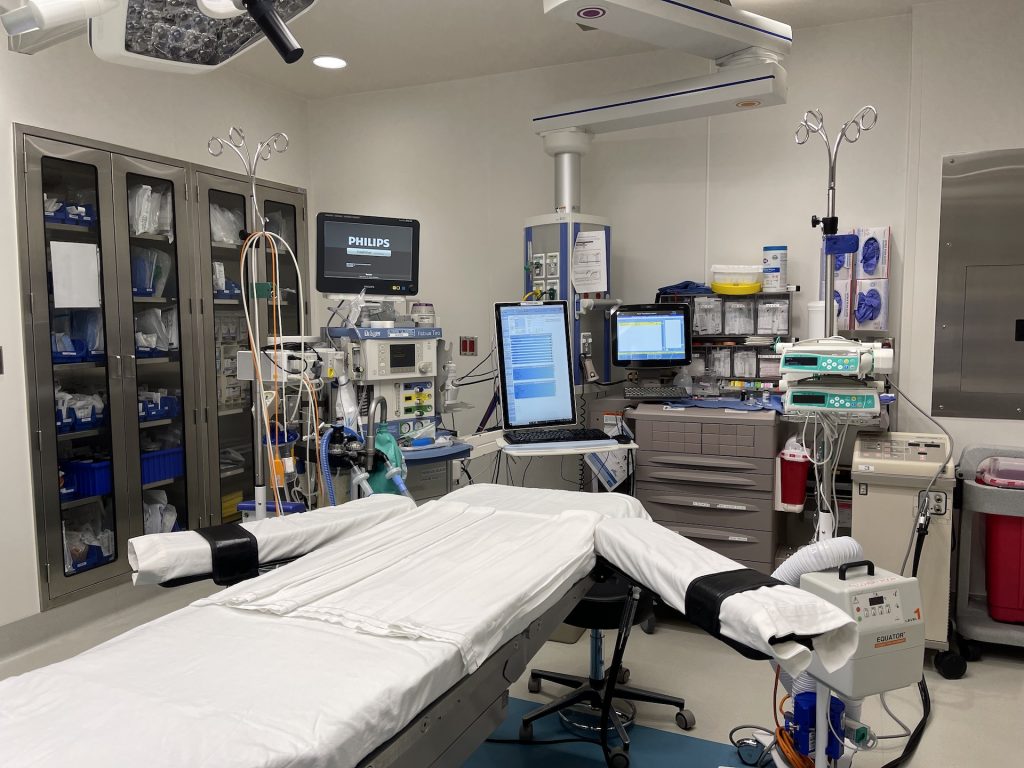
“We need to fix the infrastructure to manage the [power] load that’s put on it,” he said.
The hospital’s pharmacy also has been working to expand by building a clean room suite, which allows pharmacists to prepare IV medications and store them for longer.
Missy Elliott, Director of Pharmacy, said the pharmacy has a room — the segregated compound area — that enables the safe mixing of medications for inpatients and infusion patients. However, the compound area only lets the hospital store those mixtures for 12 hours because the air circulation doesn’t flow in the right direction. A clean room suite status requires air to flow from the ceiling down. Currently, the air is flowing from the ground toward the ceiling.
While the airflow is going in the wrong direction, Elliott said the room is immaculately pristine, and tested regularly with no bacteria or mold growth.
But because of the short shelf-life of the mixed medications in the current segregated compound area, “we waste a lot of stuff,” Elliott explained. “In a clean room suite, it keeps stuff for up to a week. It will help us provide better care for inpatients and those who get outpatient care.”
The clean room suite will be built on the backside of the hospital, but will still be accessible through the pharmacy.
Building a clean room suite also is part of a requirement by the Federal Drug Administration.
The hospital pharmacy came under FDA scrutiny in 2019 due to a complaint about unsafe practices within the segregated compound room. During a review, the FDA found the room had bacteria growth in the past and remediation steps weren’t properly documented.
The FDA reinspected the pharmacy in February 2022. Elliott said inspectors came out and spent time watching the hospital pharmacists for a week, checking for any potential violations and watching them prepare medications. In July 2022, the FDA issued a closeout letter that said the pharmacy had addressed all the original issues it was initially cited for and no new citations were issued.
Part of the FDA’s review was the understanding that the pharmacy would build a clean room suite. The original deadline for the room to be completed was next month. All the pieces are in place to build it, but the contractor won’t sign a contract until the hospital has the funding, Elliott said.
In the meantime, Elliott said the hospital “promised” to keep the FDA updated.
Elliott also said the pharmacy could be providing more service and the hospital is proactively working toward that goal.
“We’ve taken on a lot of new tasks,” she said. “Our big push to increase patient safety is to have a pharmacy available 24 hours a day. Our services just keep growing. Our hours need to grow as well.”
Funding for Kona Community Hospital projects was added to Gov. Josh Green’s proposed Executive Budget for 2023-2025 earlier this month. The added infrastructure project comes at a price tag of $21.7 million and covers funding for four different projects that if not completed could put the facility at risk of closure:
- central utility plant
- site utilities [heating, ventilating and air condition systems]
- loading dock
- building infrastructure
Additionally, proposed funding includes an expansion of the hospital’s pharmacy.
When Green, who was a doctor on the Big Island for many years, released his initial proposed Executive Budget for 2023-2025 in December, it included several funding priorities, including $50 million for Hilo Medical to expand its Intensive Care Unit and medical Surgical Unit.
Blake Oshiro, senior advisor to the governor, said they are awaiting a public release of the Senate Ways and Means version of the state budget to see if funding for Kona Community Hospital is appropriated. They hope to see those papers sometime next week.
“The House and Senate must still confer in the final weeks of April so we will continue to work with the legislature so that they understand the importance of these projects,” Oshiro said. “We will find out at the end of April whether this funding is in or out of the budget.”
State Rep. Nicole Lowen, whose Big Island district includes the hospital, said she and other area representatives have agreed that Kona Community Hospital upgrades are a high priority item, adding funding requests for the hospital goes into the budget every year depending on the expressed needs.
Last year, for example, the legislature secured $500,000 for a hospital site and hospital needs assessment, which now is in the process of being conducted. The hospital also has received $2.5 million for oncology services upgrades and replacing equipment and $674,000 for pharmacy expansion, “which as we now know wasn’t enough due to rampant inflation,” Donovan said.
“We just go by what we’re told [by the hospital] on what their highest needs are,” Lowen said. “This is the first year we’ve been made aware of the risk-of-closure items.”
Lowen added: “We [area representatives] have never been anything but completely supportive of health care in West Hawai‘i.”
If the State Legislature doesn’t approve the funding, Hale said the hospital would be forced to use its limited operating budget — money used to pay salaries and purchase equipment — to start the projects.
“We don’t want to cut services and we don’t want a riff in our employment,” Hale said.
McGhan said it’s difficult to think about the idea of not getting state funding with the hospital already running the daily risk of closure.
“This hospital is a community hospital,” he said. “Everyone deserves to have their health and wellbeing needs met.”
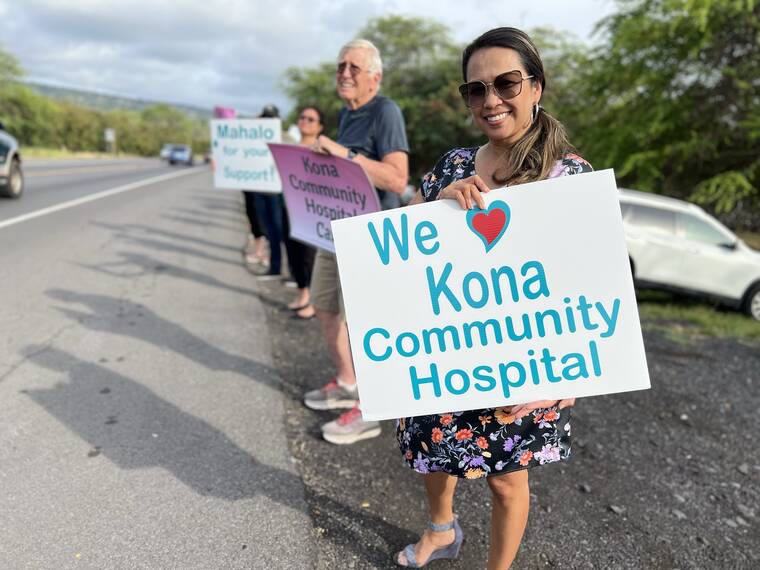
Hospital leaders continue to spread awareness of the hospital’s situation. This week they met with the Chamber of Commerce and Rotary Club Kona-Mauka. On Thursday, hospital staff held a sign waving in Kona off Queen Ka‘ahumanu Highway. Next week, they will be meeting with the carpenter’s union, Hawai’i Regional Council of Carpenters.
At legislative hearings, Hale said she’s been asked if Kona Community Hospital’s needs are more important than those of Hilo Medical Center. The answer: no.
Both the Hilo and Kona communities outgrew their hospitals years ago, Hale said. Hilo Medical Center needs to expand its services, too.
“Things weren’t maintained properly in the past. Here we are now as stewards trying to create a new plan,” Hale said. “We’re just trying to keep our doors open.”
Grateful for your support
Grateful for your support
Saturday, April 1, 2023, 12:05 a.m.
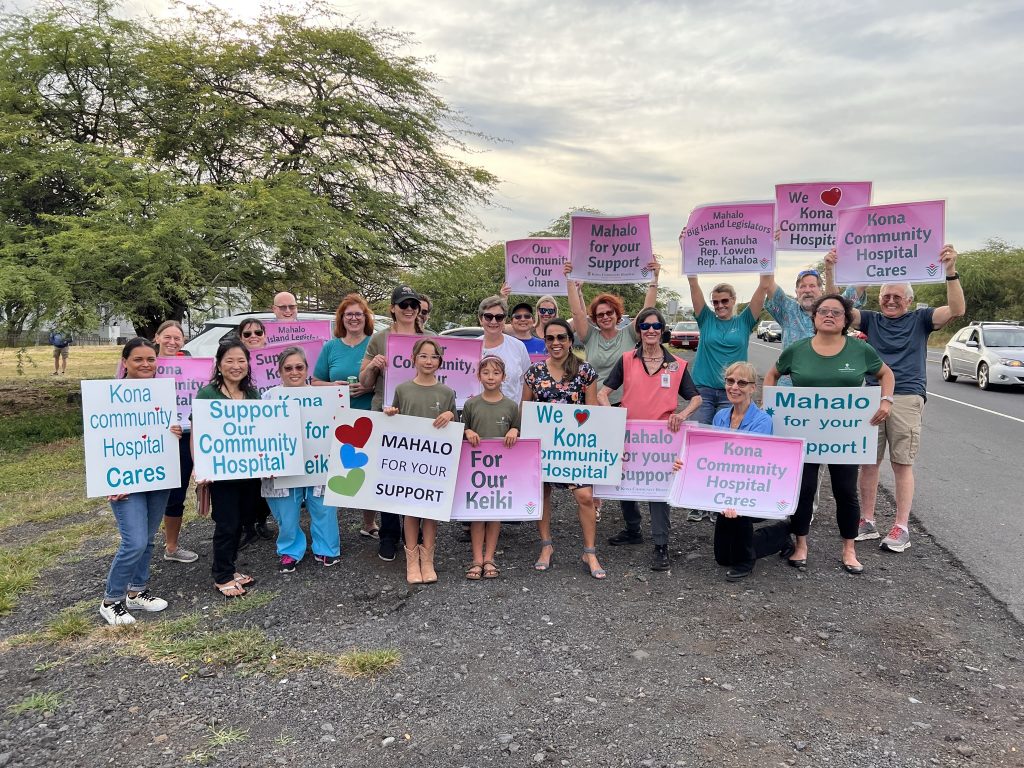
Dozens of people recently rallied for Kona Community
Hospital on Queen Ka`ahumanu Highway adjacent to the LDS Church. Waving signs and shakas, hospital
leadership, board members, doctors, staff, and family came together to thank the community and Big
Island legislators for their support while the hospital seeks funding for crucial infrastructure upgrades.
“I am overwhelmed by the support our community is giving us,” said Clayton McGhan, Kona Community
Hospital Chief Executive Officer. “We love this community we call home, and it’s clear the people here
care about their hospital. They are the reason this funding is important. We’re also very grateful to our
government leaders, including Senator Kanuha and Representatives Lowen and Kahaloa for their
support. They have listened to and championed our needs during this legislative session.”
Kona Community Hospital is seeking almost $19 million from the state legislature to upgrade its nearly 50-year-old facility on Haukapila Street in Kealakekua. The funds would cover improvements to areas like its central utility lines, HVAC system, and the hospital’s pharmacy drug compounding facility.
Without the full appropriation to fix these items, the hospital might lose its ability to perform surgeries
and provide some emergency care. Patients and their relatives know that it could be the difference between life and death.
The sign-waving event provided an opportunity for hospital personnel to show their appreciation. “The overwhelmingly positive reaction of cars passing by filled our hearts,” said chief nurse executive, DianeHale. “We truly are grateful for our community’s support.”
Kona Community Hospital achieves international Baby-Friendly designation
Kona Community Hospital achieves international Baby-Friendly designation.
March 29, 2023 · 9:48 AM HST

Kona Community Hospital has achieved the highly prestigious international Baby-Friendly designation after a rigorous review process conducted by Baby-Friendly USA, the organization responsible for bestowing this certification in the United States, according to a press release from Kona Community Hospital.
To receive this distinguished honor, a hospital must adhere to the highest standards of care for breastfeeding mothers and their babies. These standards are built on the Ten Steps to Successful Breastfeeding, a set of evidence-based practices recommended by the World Health Organization and the United Nations Children’s Fund for optimal infant feeding support in the precious first days of a newborn’s life.
The positive health effects of breastfeeding are well-documented and widely recognized by health authorities throughout the world. For example, the Surgeon General’s 2011 Call to Action to Support Breastfeeding stated that “Breast milk is uniquely suited to the human infant’s nutritional needs and is a live substance with unparalleled immunological and anti-inflammatory properties that protect against a host of illnesses and diseases for both mothers and children.”
Kona Community Hospital joins a growing list of more than 20,000 Baby-Friendly hospitals and birth centers throughout the world, 600 of which are in the United States. These facilities provide an environment that supports breastfeeding while respecting every woman’s right to make the best decision for herself and her family.
“This designation is the culmination of a lot of hard work and determination across our organization, all with a goal of helping families get off to a good start,” said Heidi Fromm, the hospital’s obstetrics nurse manager. “We are proud to offer an environment that supports best practices shown to increase breastfeeding exclusivity and duration and are committed to give moms who choose to breastfeed the best chance for success.”
Hospital staff clean up beach in Kona on Hawai‘i Island
Hospital staff clean up beach in Kona on Hawai‘i Island
February 4, 2023 · 12:00 PM
https://bigislandnow.com/2023/02/04/hospital-staff-clean-up-beach-in-kona-on-hawaii-island/

Kona Community Hospital Employee Engagement Committee members conducted a beach cleanup at Old Airport last weekend, on Saturday, Jan. 28.
The committee, hospital employees, and family members spent several hours picking up rubbish on the shores of the beach park and in the picnic areas. Over a hundred pounds of trash were collected.
“We wanted to give back to our community outside of our facility as a healthcare community,” said Michelle Gray, current chairman of the employee engagement committee.
CEO Clayton McGhan said, “Kona Community Hospital staff are amazing … It was great to see the staff and their families come out for a singular purpose, to preserve the life and beauty of our beaches.”
It’s Malnutrition Awareness Week: Do You Know the Signs of Malnutrition?
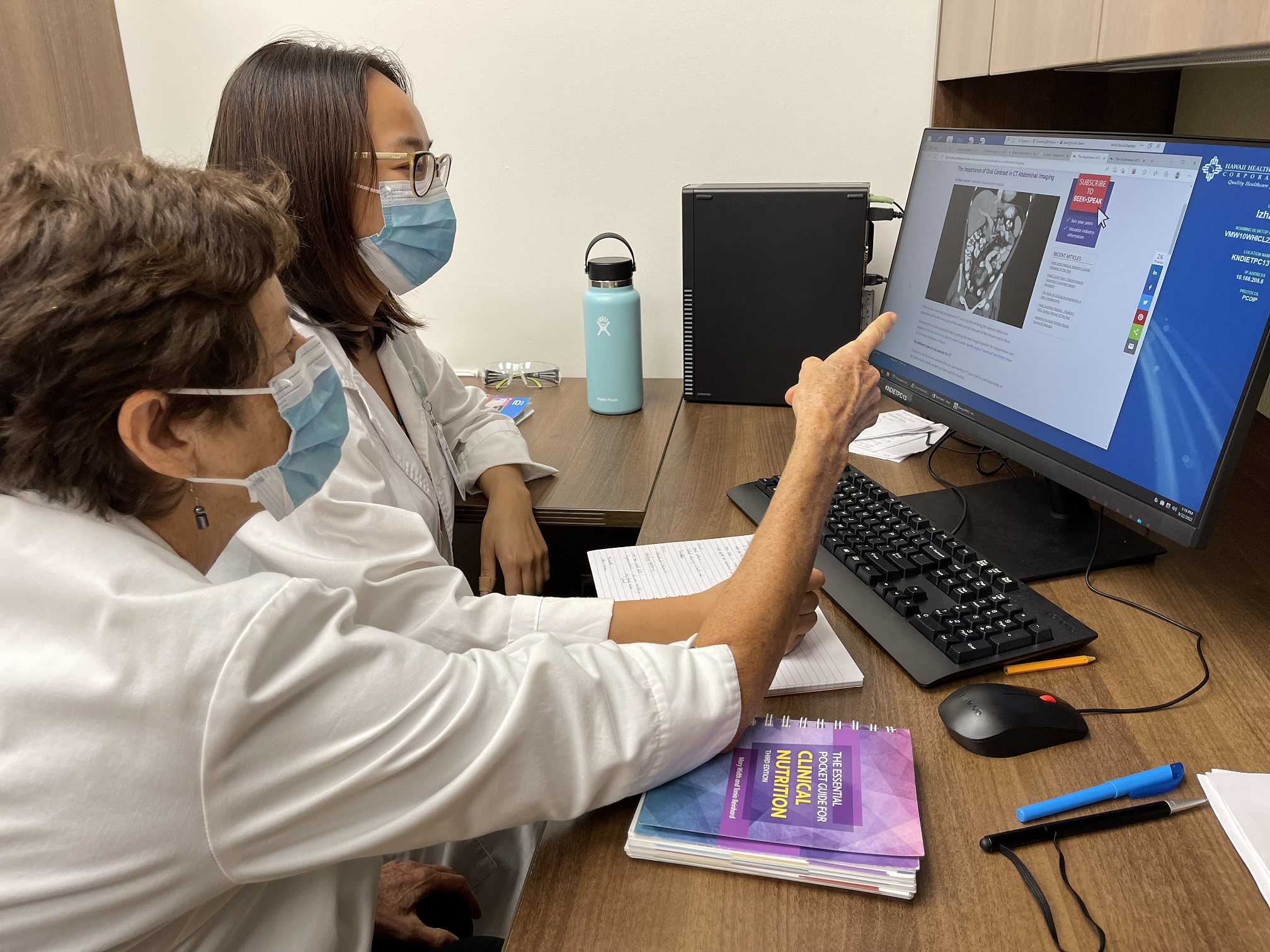
September 19-23, 2022, Is Malnutrition Awareness Week: Do You Know the Signs of Malnutrition?
From September 19-23, 2022, Kona Community Hospital is taking part in Malnutrition Awareness WeekTM, an international effort to increase the awareness, diagnosis, and treatment of malnutrition in patients.
Malnutrition Awareness Week is an annual, multi-organizational campaign created by the American Society for Parenteral and Enteral Nutrition (ASPEN) to focus on nutrition as a patient right and nutrition’s vital role in health and recovery.
Kona Community Hospital’s Registered Dietitian Nutritionists (RDN) will be participating in events throughout the week to reinforce the significance of nutrition in medical treatment and educate patients and community members on the importance of discussing their nutrition status with their healthcare professionals.
Malnutrition, when unrecognized and untreated, results in longer hospital stays for patients, twice the need for rehab or long-term care, and a 3.4 times higher rate of hospital deaths. In addition to its human toll, malnutrition raises hospital costs by 73% and can cost an additional $10,000 in hospital readmission stays.1
While older adults are particularly susceptible to malnutrition, others at risk include people with infections; those with long-term health conditions including kidney disease, diabetes, and lung disease; and people with cancer, dementia, and other chronic conditions.2
It is important to know the signs and symptoms of malnutrition. If you or your loved one is experiencing any of these, talk to your healthcare provider:
- Unplanned weight loss
- Loss of appetite
- Not able to eat or only able to eat small amounts
- Feeling weak or tired
- Swelling or fluid accumulation
Our staff will also be taking part in additional educational programs offered by ASPEN to increase their understanding of how to recognize and treat malnutrition.
For more resources on nutrition, visit www.nutritioncare/KnowTheSigns.
References:
- Guenter P, Abdelhadi R, Anthony P, et al. Malnutrition diagnoses and associated outcomes in hospitalized patients: United States, 2018. Nutr Clin Pract. 2021 Oct;36(5):957-969.
- Tappenden KA, Quatrara B, Parkhurst ML, et al. Critical role of nutrition in improving quality of care: an interdisciplinary call to action to address adult hospital malnutrition. JPEN J Parenter Enteral Nutr. 2013;37(4):482-497.
About Malnutrition Awareness Week
Now in its 10th year, Malnutrition Awareness Week is an annual, multi-organizational campaign created by the American Society for Parenteral and Enteral Nutrition (ASPEN) to spotlight nutrition’s vital role in health and recovery, reinforce for healthcare professionals the impact nutrition has in medical treatment, and educate the public on the importance of discussing their nutrition status with their healthcare providers. For more information, visit www.nutritioncare.org/MAW.
About ASPEN
The American Society for Parenteral and Enteral Nutrition (ASPEN) is dedicated to improving patient care by advancing the science and practice of nutrition support therapy and metabolism. Founded in 1976, ASPEN is an interdisciplinary organization whose members are involved in the provision of clinical nutrition therapies, including parenteral and enteral nutrition. With members from around the world, ASPEN is a community of dietitians, nurses, nurse practitioners, pharmacists, physicians, scientists, students, and other health professionals from every facet of nutrition support clinical practice, research, and education. For more information about ASPEN, please visit www.nutritioncare.org.
Bill to select site for new Kona hospital awaits final committee hearing
Bill to select site for new Kona hospital awaits final committee hearing
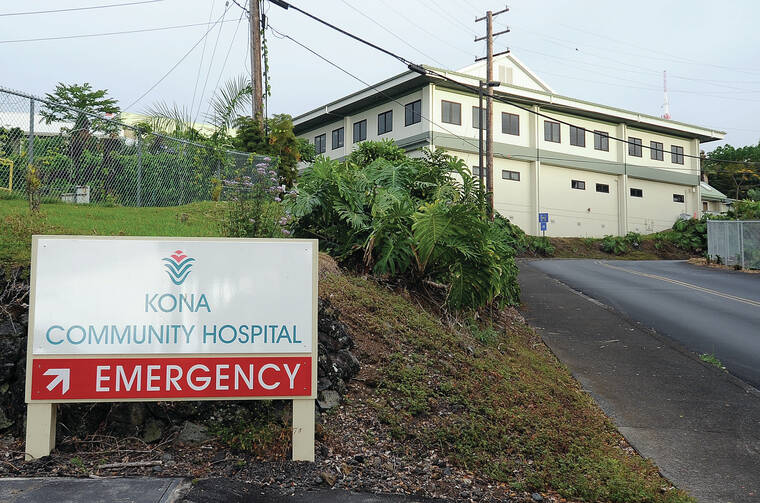
A bill aimed at providing funding for site selection for a new hospital in Kona faces one more hurdle this legislation.
House Bill 1638 was passed 4-0 by the Senate Committee on Health, Human Services and Homelessness following a hearing Friday afternoon.
The measure would appropriate a currently unspecified amount to the Hawaii Health Systems Corporation (HHSC) to conduct a site assessment to identify and evaluate viable locations for a new hospital site in North Kona.
Discussion about the need for a new hospital to serve residences in North and South Kona has been ongoing for nearly two decades. The area is currently served by the 94-bed Kona Community Hospital constructed in 1974 in Kealakekua.
Jim Lee, HHSC West Hawaii Region CEO, submitted testimony to the Legislature backing the bill.
“Kona Community Hospital’s current facility is nearly 50 years old. The hospital’s aging infrastructure has major deficiencies, with many critical systems in urgent need of repair and renovation. We struggle almost daily with the very real potential that one system failure or another could shut down hospital operations,” he said in written testimony.
Mayor Mitch Roth also weighed in on the bill.
“Enhancing the health and well being of out entire community is a priority of my administration and facilitating access to quality medical services is central to that commitment” his testimony said. “Presently the only available acute care in the area is provided through an aging hospital located 20-30 minutes away from where the population growth has been in Kona over the past three decades.”
Katelyn Shirai is a medical student at John A. Burns School of Medicine and a Hilo native. She provided written testimony from the perspective of a future physician.
“With the growing population in West Hawaii, it is imperative that medical facilities are modernized and expanded to provide much needed health care services to meet the demand of its surrounding community. This measure may also help to recruit and retain health care professionals, helping to close the critical physician shortage on the island of Hawaii,” she wrote. “Born and raised in Hilo, I have experienced first-hand, the effects of the state-wide physician shortage, as well as the lack of services and specialties in health care. As a student at JABSOM, we have learned so much about the health care disparities that so many people in our community face. This measure is a significant first step in addressing health care disparities and promoting health equity.”
The Senate Committee on Health, Human Services and Homelessness Friday opted to leave setting a dollar amount to the Senate Committee Ways and Means, the bill’s last committee stop. A hearing date there had not yet been set as of press-time Tuesday.
“We’re pleased that HB 1638 is moving forward with our amendment request to also include a hospital needs assessment. We’re very grateful to Representative Lowen for introducing this measure for the benefit of our West Hawaii community,” Lee said Tuesday.
In other hospital-related news, the HHSC West Hawaii Regional Board of Directors recently elected new leadership. The board now includes Daniel Rick, PT, as chairperson, Sarah Hathaway, MD, as vice chairperson, and members Frank Sayre, DDS, Dave Hiranaka, MD, Laura Bowman, APRN, Jane Clement, Charles Greenfield, ESC, Tracy Yost and JoAnn Sarubbi, MD.
Sayre, the former-chairperson, previously told West Hawaii Today that a new hospital facility would carry a price tag around $300 million.
‘How long will it take?’: Effort to secure new hospital for Kona renewed
‘How long will it take?’: Effort to secure new hospital for Kona renewed
By Laura Ruminski West Hawaii Today lruminski@westhawaiitoday.com | Monday, February 7, 2022, 12:05 a.m.
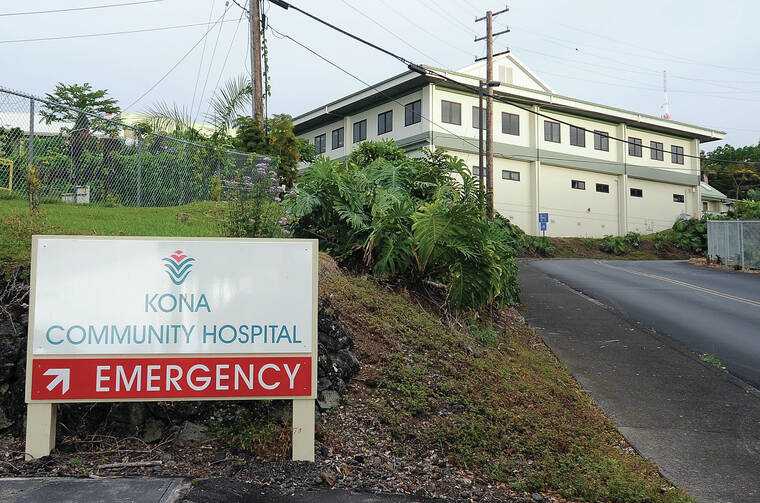
A bill in the state House to provide funding for a site assessment to find a viable location for a new hospital site in North Kona passed its first committee hearing Thursday.
House Bill 1638, introduced by Rep. Nicole Lowen (D-North Kona) seeks $1 million to identify and evaluate viable locations for a new hospital, a recurring endeavor brought up yearly in the Legislature.
Lowen said the site assessment is needed to lay the groundwork for building a new hospital in North Kona.
“We have to put one foot in front of the other,” she said. “If we don’t start talking about this now, how long will it take?”
Discussion about the need for a new hospital to serve residences in North and South Kona has been ongoing for nearly two decades. The area is currently served by the 94-bed Kona Community Hospital in Kealakekua, a Hawaii Health Systems Corp. facility constructed in 1974.
“The population in the Kona area has grown and migrated north since the hospital was built almost fifty years ago, so the hospital is no longer located in the area with the highest residential density and need for services. While the highway in North Kona has been expanded, the hospital in South Kona sits on a single-lane highway that is vulnerable to traffic congestion, making it difficult for emergency vehicles and others to reach the hospital quickly,” the proposed bill reads.
The bill further states a new, more modern facility can provide additional services, better access to Kona International Airport, which is nearly 20 miles from the current facility, for medical airlifts, and a more convenient location for the area’s residents. The new hospital would also serve as an attractive workplace and help the state recruit doctors and health care workers to fill the state’s critical need.
According to a November 2021 report submitted to the 2022 state Legislature, there are currently 10,592 physicians licensed to practice in Hawaii, but just 3,290 are actively providing patient care and provide 2,857 full-time equivalents of direct patient care. The number of full-time equivalents was up 45 over 2020.
The number of doctors, however, does not meet the state’s demand, according to the Hawaii Physician Workforce Assessment Project. Hawaii, according to a demand model based on U.S. average physician use, needs 3,395 full-time equivalents of practicing physicians.
“This indicates a shortage of 537 FTE of physician services. However, when island geography and unmet specialty specific needs by county are examined, the estimated unmet need for physicians (accounting for geographic distance and air travel) increases to 732 FTEs,” the report reads. “The demand model predicts our demand will increase by 38 FTE a year. If we only increase our workforce by 50 a year, we will not meet our demand in the foreseeable future.”
According to the report, Hawaii County needed to increase its number of physicians by 40% or 187 doctors to meet demand in 2021. An additional 16 primary care providers were needed to meet demand in that field alone.
All of the written testimony submitted to the House Committee on Health, Human Services and Homeless supported the measure.
Hawaii County Mayor Mitch Roth in his testimony wrote: “Enhancing the health and well being of our entire community is a priority for my administration and facilitating access to quality medical sen/ices is central to that commitment. Presently, the only available acute care in the area is provided through an aging hospital located 20-30 minutes away from where the population growth has been in Kona over the past three decades.”
Jim Lee, who is the Regional CEO for the HHSC and oversees Kona Community Hospital, noted West Hawaii’s population is currently growing faster than both North and East Hawaii. In 2018, prior to the pandemic and influx of residents amid remote work and other opportunities, population growth in West Hawaii was projected to increase by 6.1% by 2023. Reflecting this growth, inpatient and emergency department visits among West Hawaii residents have been increasing.
Last year, Kona Community Hospital recorded 22,000 emergency room visits.
Though able to meet the community’s needs, the hospital’s aging infrastructure has major deficiencies, with many critical systems in urgent need of repair and renovation.
Judy Donovan, regional marketing and strategic planning director, said the West Hawaii Region Board recently approved a six-year, phased in master facility plan to address the repairs and expansion needed, estimated to cost $80 million.
“The infrastructure is crumbling. It needs a new roof and a new wastewater treatment system, among other improvements,” said outgoing Board Chairperson Dr. Frank Sayre.
With an estimated price tag of $300 million for a new facility, Sayre said the money for repairs to the current hospital are critical given the length of time it will take to secure funding and finalize construction of a new one.
Donovan said the top three priorities include $22.5 million for the design, construction and equipment for a new oncology building, $2.5 million to repair the roof, and $3.5 million for the renovation of the Emergency Department.
“In addition, we need $20 million for a new electronic medical records (EMR) system, which is not in the master facilities plan,” said Donovan.
The existing EMR system expires in June 2023.
Sen. Dru Kanuha (D-Kona, Ka‘u) has included funding requests for the hospital in his request via Senate Bill 3383. In addition to the three projects Donovan listed, Kanuha is asking for $2 million to upgrade wastewater treatment and money to replace the EMR with an EPIC system.
“We struggle almost daily with the very real potential that one system failure or another could shut down hospital operations,” said Lee.
“It’s more than time that something happens. It’s the first step in a very long journey,” said Sayre